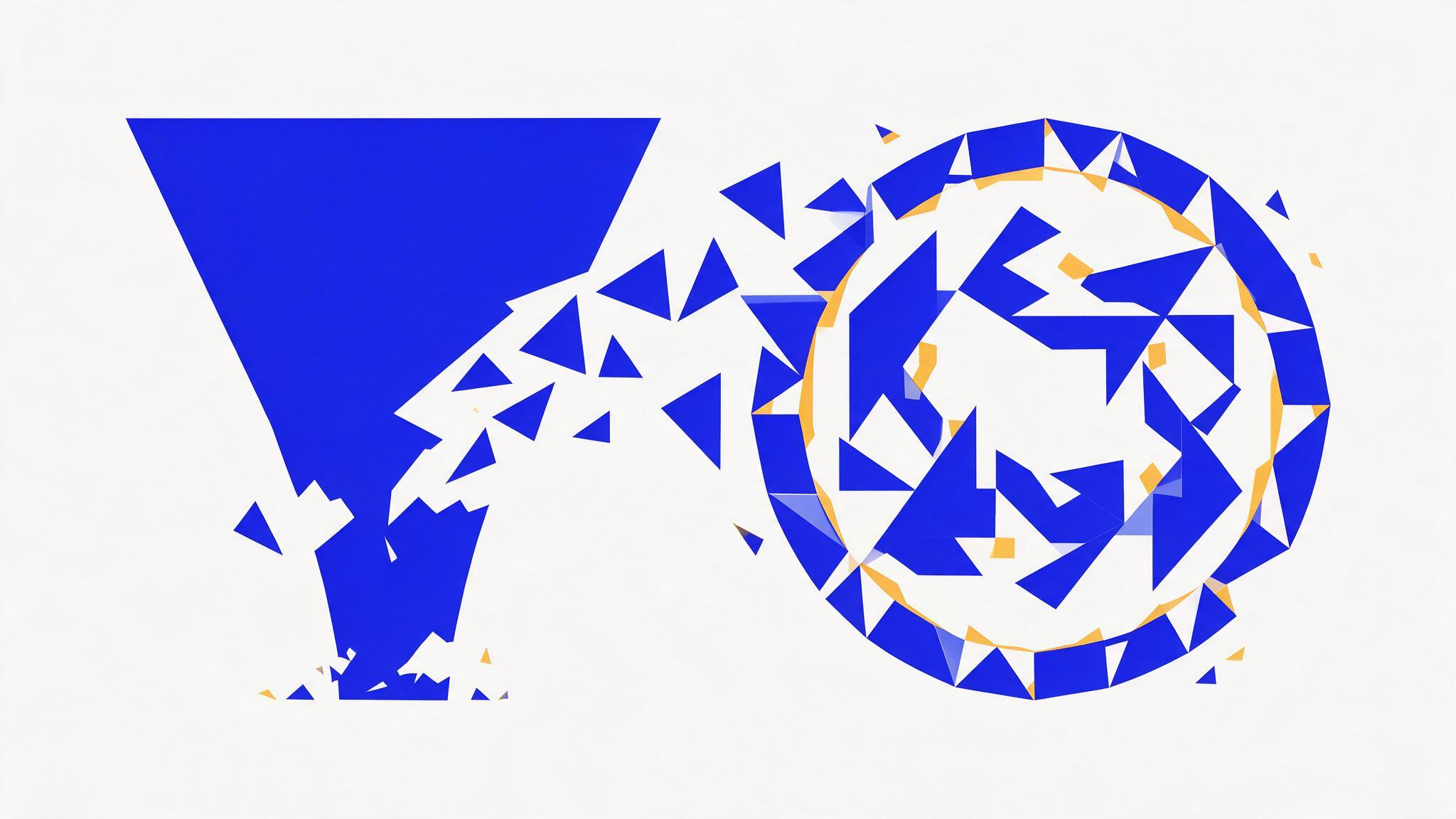
For decades, marketers drew the same shape on every whiteboard: a wide mouth at the top, a narrow spout at the bottom, and a tidy line of prospects moving obediently from Awareness to Purchase. That shape is still on the whiteboard. It is just no longer what happens on the screen.
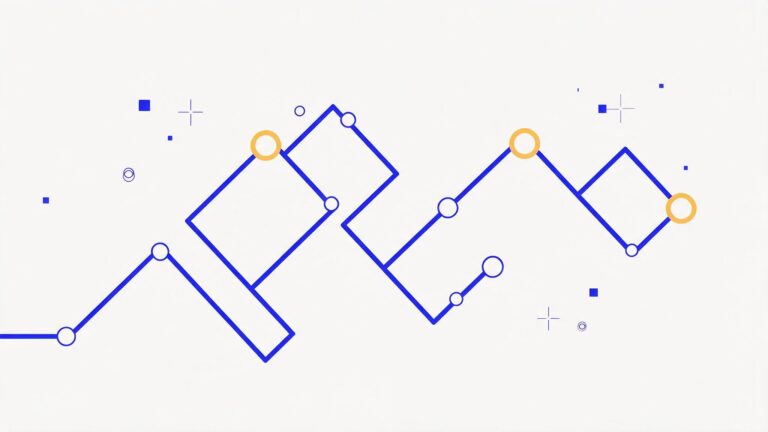
Today’s buyer does not walk down a funnel. They get bounced — from a short-form video, to a group chat recommendation, to an AI search summary, back to a retargeting ad, sideways into a review site, and eventually, if a brand is lucky, into a cart. It looks less like gravity pulling water through a spout and more like a steel ball ricocheting between bumpers, flippers, and lights. It looks like pinball.
Why the Funnel Model Broke Down
The funnel was never really a description of how people buy things. It was a description of how marketing departments were organized: one team for awareness, one for consideration, one for conversion, each handing the prospect to the next like a relay baton. It made sense when there were a handful of channels — TV, print, a search engine, maybe email — and when most of those channels only spoke to the customer at one stage of their thinking.
That world is gone. A single person can encounter a brand seven different ways before lunch: a friend’s story, a paid social ad, a Google AI Overview, a marketplace listing, a YouTube review, a retargeting banner, and a WhatsApp forward from a relative. None of those touches happen in a predictable order, and none of them wait politely for the “awareness” stage to finish before consideration begins. The funnel assumed sequence. Real behavior is simultaneous, repeated, and reversible — someone can be in “decision” mode on Monday and back in “awareness” mode on Wednesday because a competitor’s ad caught their eye.
The result is not chaos exactly, but it is not a straight line either. It behaves like a pinball table: the ball is in constant motion, hits the same bumpers more than once, and the goal is not to reach the bottom quickly — it’s to rack up enough meaningful contact that the ball eventually drops into the right pocket.
Meet the Pinball Customer
Picture a mid-size company’s head of marketing shopping for a new project management tool. She doesn’t type a query into a search box and click the first blue link. She asks a colleague in a private Slack channel. She scrolls past three sponsored posts on LinkedIn. She asks an AI assistant to “compare the top three tools for a 40-person creative team” and gets a synthesized answer with no clicks at all. She watches a fifteen-second demo clip. She reads two lines of a G2 review. Three days later, a retargeting ad reminds her the tool exists. She finally visits the website directly, types the brand name from memory, and signs up for a trial.
Nowhere in that sequence did she experience anything resembling a funnel. She experienced a series of collisions — some she noticed, most she didn’t — that built up enough familiarity and trust for her to act. That is the pinball customer: not lazy, not irrational, just distributed across more surfaces than any single campaign can control.
Consumer purchases follow the same pattern, just with more bumpers and shorter timeframes. Someone shopping for running shoes might see a creator’s unboxing video on a Tuesday, forget about it, get shown a near-identical pair by a completely different brand on Thursday, ask a running club group chat which one is more durable, skim star ratings without reading a single full review, and finally buy the original pair two weeks later after a flash-sale notification — attributing the purchase, if asked, to “I just decided it was time for new shoes.” The marketing did its job at every one of those points. None of them looked like a funnel doing its job.
“You don’t win a pinball game by building a longer ramp. You win it by controlling more of the table — so that no matter where the ball goes, it keeps hitting something with your name on it.”
The Bumpers: Where Modern Touchpoints Actually Live
If the funnel had three tidy stages, the pinball table has bumpers scattered everywhere — some big and obvious, some small and easy to overlook. Here is roughly how they map to what used to be a linear journey.
| Old Funnel Stage | Modern “Bumper” | Who Controls It |
|---|---|---|
| Awareness | Short-form video, creator content, AI search summaries | Mostly the platform, partly the brand |
| Consideration | Peer group chats, review sites, comparison threads | Mostly the customer’s network |
| Decision | Retargeting, direct brand search, sales conversation | Mostly the brand |
| Loyalty | Community, support experience, repeat content | Shared between brand and customer |
The important shift is in the middle column: several of the bumpers a buyer hits today are not owned or scripted by the brand at all. A brand can influence them — through good product experience, credible content, and consistent presence — but it cannot script the order in which a customer encounters them.
Five Traits of Pinball-Era Buyers
- They re-enter the journey constantly. A buyer who “converted” mentally in March may re-open consideration in June because a competitor launched a feature — loyalty is a bumper too, not a finish line.
- They trust peers and AI summaries over ads. A recommendation from a colleague or a synthesized AI answer often carries more weight than a paid placement, simply because it feels less scripted.
- They skip stages entirely. Some buyers land directly on a pricing page from a single word-of-mouth mention, with no measurable “awareness” touch a brand can point to.
- They research in fragments, not sessions. A purchase decision might be assembled over two weeks in ninety-second bursts between meetings, not one focused research session.
- They reward consistency over cleverness. A slightly plainer message repeated credibly across five surfaces tends to outperform one brilliant ad seen once.
Designing Marketing for a Pinball Table, Not a Funnel
None of this means strategy becomes guesswork. It means the unit of strategy shifts from “the next stage” to “the whole table.” A few practical shifts follow from that:
- Design for re-entry, not exit. Build content and offers that work whether someone is encountering the brand for the first time or the fifth.
- Say the same thing everywhere, in the local dialect of each channel. The core message should be recognizable whether it appears as a fifteen-second reel, a comparison table, or a line in an AI-generated summary.
- Treat earned and peer channels as media, not afterthoughts. Reviews, communities, and creator partnerships deserve the same planning rigor as paid placements, because buyers weight them just as heavily.
- Keep retargeting and direct-response ready at all times. Because re-entry can happen at any moment, the “catch” mechanisms — retargeting, easy-to-find pricing, a fast contact form — need to be always-on, not campaign-bound.
- Unify the data, even if you can’t unify the journey. A shared view of who has touched which bumper (even imperfectly, via CRM and analytics) beats a perfectly mapped funnel that nobody actually follows.
Mistakes Brands Make When They Still Think in Funnels
The most common failure is not lack of effort — it is over-investment in the wrong assumption. Teams still build campaigns as if a prospect will experience Ad 1, then Ad 2, then Ad 3, in sequence. In practice, that same prospect might see Ad 3 first, ignore Ad 1 entirely, and encounter Ad 2 as a completely different reason to buy weeks later. Sequenced storytelling that depends on strict order tends to confuse more than it persuades.
A second mistake is measuring only the first or last touch and discarding everything in between, which systematically undervalues the “bumpers” that built trust along the way — the review that was read, the community thread that was skimmed, the comparison page that was bookmarked and never clicked again until the day of purchase.
A third, quieter mistake is designing beautiful top-of-funnel content and a strong bottom-of-funnel offer, with almost nothing built for the messy middle where most of the actual bouncing happens.
Measuring Success When There’s No Straight Line
If the journey isn’t linear, a single “conversion rate” tells an incomplete story. The metrics below tend to matter more once a brand accepts the pinball model.
| Metric | What It Actually Tells You |
|---|---|
| Multi-touch attribution (assisted conversions) | Which “bumpers” contributed, not just which one closed the deal |
| Branded search volume | Whether earned and peer channels are driving direct recall |
| Re-engagement rate | How often past visitors bounce back into the journey |
| Share of voice in reviews / community | Strength of the touchpoints the brand doesn’t fully control |
What This Means for How Marketing Teams Are Organized
The funnel didn’t just shape campaigns — it shaped org charts. Many marketing departments are still structured around the same three stages: a brand or content team owns “awareness,” a demand-generation team owns “consideration,” and a sales or CRM team owns “conversion.” Each hands off to the next, with clean lines of responsibility and clean lines of blame.
That structure struggles badly on a pinball table, because the bumpers don’t respect departmental boundaries. A community manager answering questions in a peer group is doing consideration work. A support agent resolving a ticket well is doing loyalty and awareness work, because that interaction gets screenshotted and shared. The teams that adapt fastest tend to organize around touchpoints and audiences rather than funnel stages — a small cross-functional pod responsible for “how we show up in creator content” or “how we show up in AI-generated answers,” regardless of whether that technically counts as top-, middle-, or bottom-of-funnel activity.
This is also why briefs matter more than ever. A single, tightly written creative and messaging brief that every touchpoint pulls from keeps the story consistent even when six different teams — or six different freelancers and platforms — are each controlling one bumper on the table.
A Practical Framework: Build Bumpers, Not Just a Path
The most useful mental model we’ve found when planning campaigns is to stop asking “what’s the next step in the funnel?” and start asking “which bumpers can this audience realistically hit, and does each one reinforce the same story?” That usually means mapping three to five real touchpoints an audience is likely to encounter — a short-form video, a comparison page, a peer community, a retargeting sequence, a sales conversation — and making sure each one can stand on its own and reinforce the others, regardless of which one a person meets first.
It’s a less tidy way to plan than drawing a funnel on a whiteboard. But it matches how people actually move through the world in 2026 — bouncing, colliding, occasionally scoring — and a marketing plan built for the table they’re actually playing on will always outperform one built for a table that no longer exists.
Elevate helps brands plan and produce marketing that works across the full table — from social and 360 campaigns to video production — rather than a single stage of an outdated funnel. Talk to us about your next campaign.
Written by the Elevate Strategy Team. Elevate (PT Kreasi Digital Media) is a growth-marketing and creative agency that has planned and produced social, 360, and video campaigns across FMCG, tech, finance, and lifestyle categories. This article reflects patterns we’ve observed across our own client work, not a single third-party study.